
In a world facing climate change and growing waste challenges, sustainability is no longer an option — it’s a responsibility. From fashion to home care, industries everywhere are rethinking how products are made. Among these innovations, Recycled Micro Fiber stands out as a leading solution — combining high performance, durability, and eco-friendliness in one remarkable material.
This next-generation fiber not only delivers outstanding results in cleaning and textile applications but also plays a key role in reducing plastic pollution and supporting a circular economy. Let’s explore how Recycled Micro Fibers is transforming industries and why it’s becoming the future of sustainable materials.

What Is Recycled Micro Fiber?
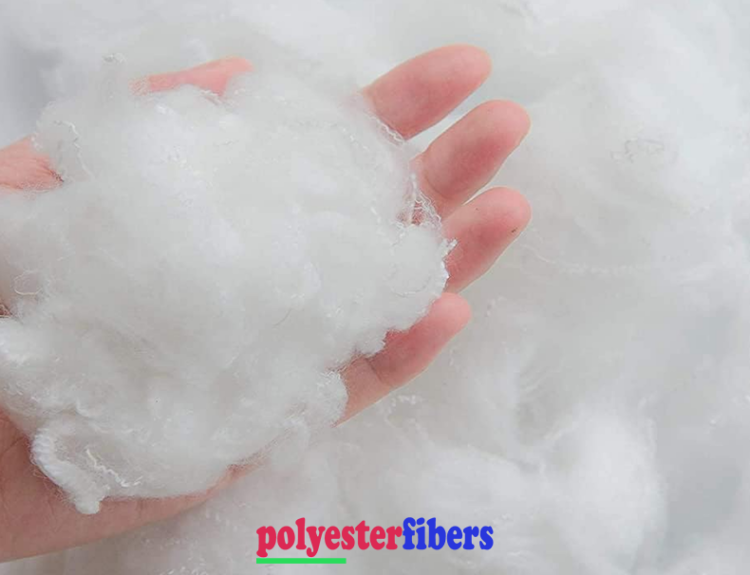
Recycled Micro Fiber is a high-performance synthetic fibers produced from recycled PET (polyethylene terephthalate) — mainly collected from used plastic bottles and industrial polyester waste.
Through advanced recycling and spinning technologies, these plastics are cleaned, melted, and re-extruded into ultra-fine filaments — thinner than a human hair — that are then woven into soft, durable fabrics. The result is a material that maintains all the superior features of traditional Micro Fiber while minimizing environmental impact.
The Environmental Challenge Behind It
Each year, millions of tons of plastic bottles end up in landfills or oceans, taking centuries to decompose. At the same time, the demand for polyester — a petroleum-based material — continues to rise. This creates a major sustainability conflict.
Recycled Micro Fiber helps solve both problems by:
- Reducing plastic waste through bottle recycling programs.
- Lowering energy consumption and carbon emissions in fiber production.
- Decreasing dependence on virgin petroleum resources.
- Promoting circular economy models, where materials reused instead of discarded.
Every ton of Recycled Micro Fibers produced can save up to 1.5 tons of CO₂ emissions and reuse 60,000 plastic bottles that would otherwise pollute the environment.
How Recycled Micro Fiber Is Made
The process of transforming waste into premium fiber is a technological success story. It typically involves several key stages:
- Collection and Sorting: Used plastic bottles and polyester waste collected, cleaned, and sorted by color and quality.
- Shredding and Washing: Bottles shredded into small flakes and washed to remove labels, caps, and residues.
- Melting and Extrusion: Clean flakes melted and extruded through micro-sized spinnerets to form continuous filaments.
- Drawing and Texturizing: These filaments stretched and textured to achieve the desired strength, softness, and elasticity.
- Fabric Production: Finally, the fibers woven or knitted into fabrics suitable for cleaning cloths, apparel, upholstery, or industrial use.
This closed-loop system enables waste materials to be reborn as premium Micro Fiber fabrics.
Performance Benefits of Recycled Micro Fiber
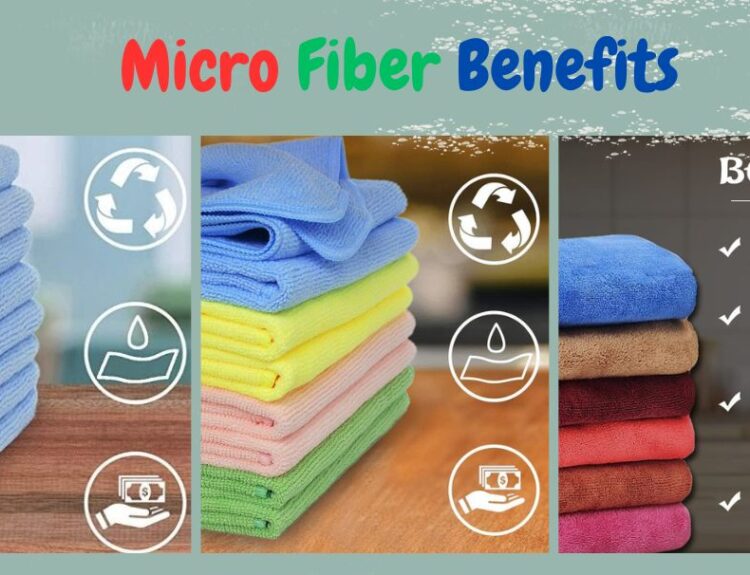
One of the biggest advantages of Recycled Micro Fiber is that it doesn’t sacrifice performance for sustainability. It offers all the superior qualities that made traditional Micro Fiber famous — and often performs even better.
1. Superior Cleaning Ability
The ultra-fine fibers create millions of microscopic hooks that capture dust, dirt, oil, and bacteria. Recycled Micro Fibers cloths clean efficiently using only water, minimizing chemical use.
2. High Absorbency
The split-fiber structure holds up to seven times its weight in water, making it perfect for cleaning, drying, or wiping surfaces streak-free.
3. Durability and Reusability
Unlike disposable wipes, Recycled Micro Fiber products are designed for hundreds of washing cycles, reducing waste and long-term costs.
4. Lightweight and Quick-Drying
Recycled Micro Fiber dries much faster than cotton or other natural fibers, which helps prevent bacteria growth and odors.
5. Soft and Non-Abrasive
Ideal for delicate surfaces — from car paint to glass or electronics — without scratching or leaving lint behind.
Applications Across Industries
Recycled Micro Fiber’s versatility makes it valuable in multiple sectors, from home cleaning to fashion manufacturing.
1. Cleaning and Sanitation
Recycled Micro Fiber cloths and mops are widely used in households, hotels, hospitals, and industrial cleaning. Their ability to clean effectively with minimal water or chemicals supports global green cleaning initiatives.
2. Home Textiles
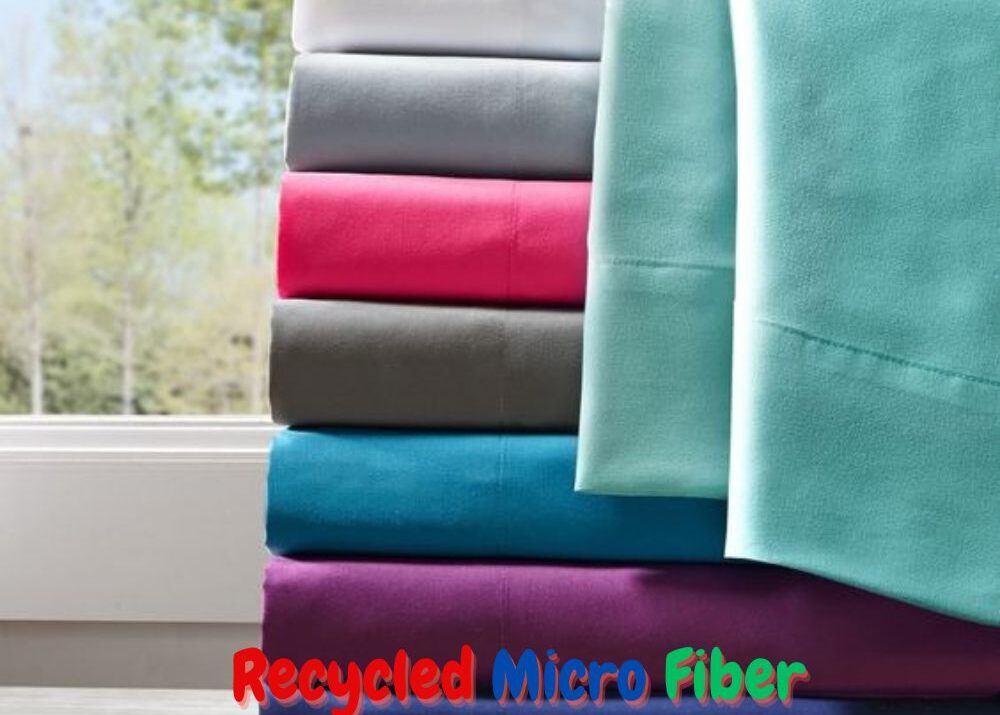
Recycled Micro Fiber use in bedding, towels, and upholstery fabrics, offering luxurious softness and easy maintenance while reducing environmental footprint.
3. Apparel and Sportswear
Fashion brands are increasingly adopting recycled Micro Fibers for jackets, leggings, and activewear. It combines breathability, comfort, and sustainability in one.
4. Automotive Interiors
Car manufacturers use Recycled Micro Fiber fabrics for seats and linings — combining style, durability, and eco-conscious branding.
Sustainability Advantages
Recycled Micro Fiber represents a win-win solution for performance and planet. Here are some key sustainability benefits:
| Aspect | Recycled Micro Fiber | Traditional Fiber |
|---|---|---|
| Raw Material | Recycled PET Bottles | Virgin Petroleum |
| Carbon Emissions | 50–75% lower | Higher |
| Water Use | Reduced by up to 90% | High |
| Durability | Long-lasting | Moderate |
| Waste Generation | Minimal | Significant |
Every stage of its lifecycle — from sourcing to disposal — design to reduce environmental impact and support sustainable consumption.
The Role in a Circular Economy
Recycled Micro Fiber perfectly fits the circular economy model, where products design to be reused, repaired, or recycled.
At the end of their life, these fibers can reprocess again, keeping materials in circulation and out of landfills.
By integrating recycled materials into production, manufacturers not only reduce waste but also create new value streams from discarded resources. This approach helps industries meet ESG goals (Environmental, Social, and Governance) and comply with global sustainability standards.
Challenges and Future Outlook
While Recycled Micro Fiber is a major step forward, challenges remain — including recycling infrastructure, sorting efficiency, and preventing microplastic shedding during washing. However, ongoing innovations such as biodegradable coatings, closed-loop recycling systems, and fiber filtration technologies are rapidly addressing these concerns.
The future of sustainable textiles lies in continuous innovation — and Recycled Micro Fiber will remain at the heart of that evolution.
Conclusion
Recycled Micro Fiber is more than a cleaning or textile innovation — it’s a symbol of transformation. By turning waste into value, it reflects the balance between performance, practicality, and planet care.
As consumers and businesses increasingly demand eco-friendly solutions, Recycled Micro Fiber stands out as the material of the future — proving that sustainability and superior quality can coexist beautifully.
About VIETNAM RECYCLED FIBER
VIETNAM RECYCLED FIBER We partner with numerous factories and manufacturers in Viet Nam and other Asian countries. We supply various and different polyester staple fiber such as hollow conjugate siliconized and non-siliconized, hollow non conjugated fiber, hollow slick fiber, black solid fiber, brown fiber, green fiber, filling fiber, polyester fiber, Recycled Polyester Staple Fibers, spinning fiber. All are GRS and OEKO TEX certified.
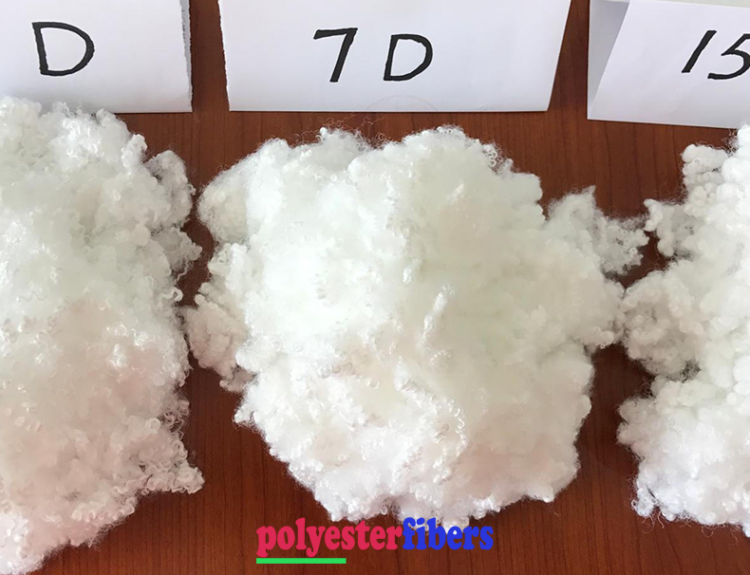
Our recycled Polyester Staple Fiber is of good quality and competitive price, which used in the application of filling polyester pillows, mattress, cushions, quilting, comforters, padding, wadding, stuffed toys, carpets, felts, automotive nonwoven industry and home textiles. We are well-known for our excellent customer service and we would like to have long-term business cooperation with customers from all over the world.
Please contact us for long-term cooperation!
Mr. HARRY
Website: vietnamrecycledfiber.com
You tube: Vietnam Recycled Polyester Fiber