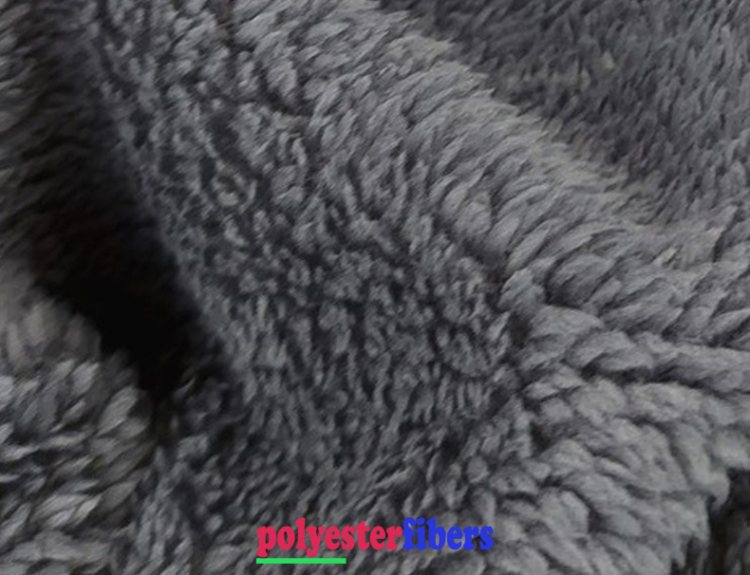

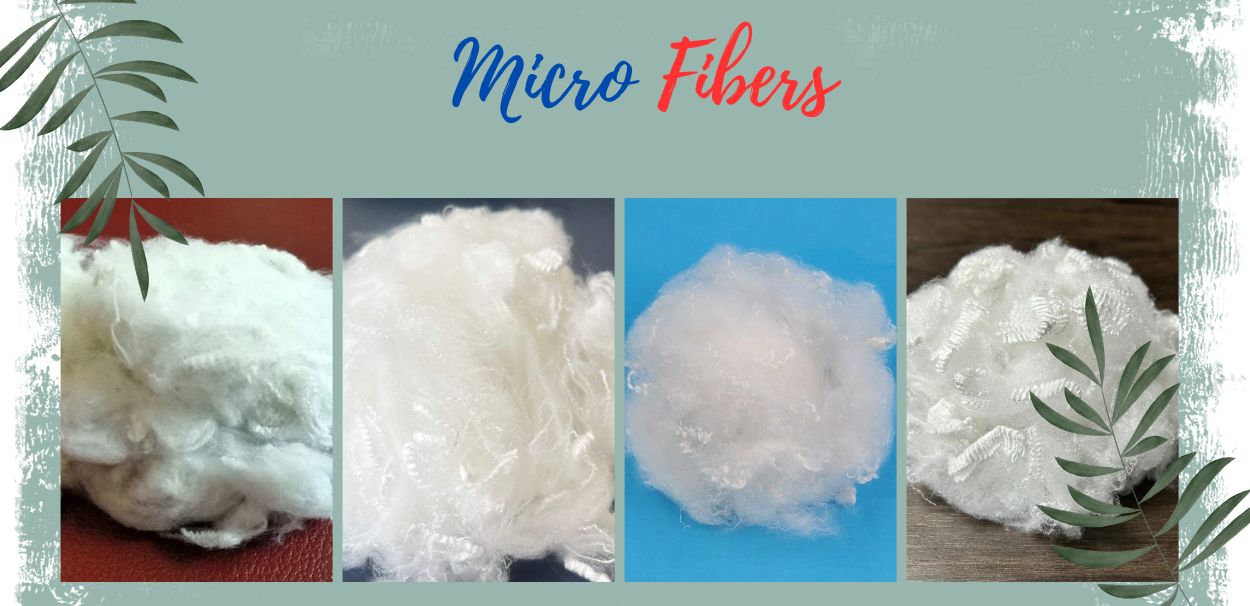
In the textile and manufacturing industries, one material that has revolutionized quality, performance, and versatility is Micro Fibers. Known for its exceptional softness, strength, and absorbency, micro fiber has become a go-to choice in countless industries, from apparel and upholstery to cleaning products and industrial applications. This article will explore what micro fibers is, its properties, applications, advantages, and why it continues to gain popularity worldwide.

What is Micro Fibers?
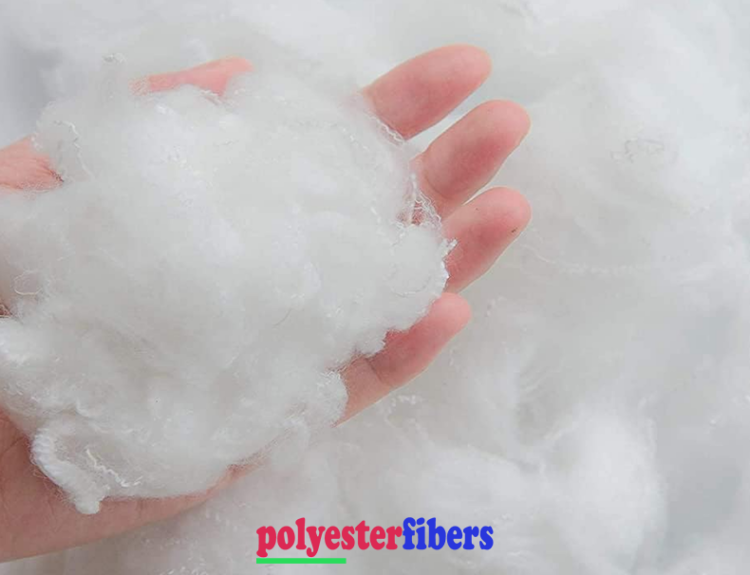
Micro Fibers refers to a type of synthetic fiber that is finer than one denier, which makes it significantly thinner than a strand of silk (approximately one-fifth the diameter of human hair). Typically made from polyester, polyamide (nylon), or a blend of both, micro fiber is created through advanced spinning technology that allows manufacturers to produce extremely fine filaments. These filaments are then woven or knitted into fabrics that provide outstanding performance.
Because of its thinness and density, micro fiber fabric possesses a unique combination of durability, softness, and versatility. Unlike conventional fibers, micro fibers have a greater surface area, which enhances absorbency and makes them effective for capturing dust, dirt, and moisture.
Key Properties of Micro Fibers
The success of Micro Fiber lies in its unique properties, which distinguish it from traditional natural and synthetic fibers:
- Softness
Micro fiber fabrics are exceptionally soft to the touch, making them ideal for clothing, upholstery, and cleaning cloths. The fine fibers create a smooth surface that feels luxurious and comfortable. - High Absorbency
Due to their large surface area and wedge-shaped cross-sections, micro fibers can absorb up to seven times their weight in water. This makes them highly effective in cleaning and moisture management. - Strength and Durability
Despite being thin, micro fibers are strong and resistant to tearing. Fabrics made from micro fibers can withstand heavy use and frequent washing without losing their quality. - Lightweight
Micro fiber fabrics are extremely lightweight, which enhances comfort when used in apparel and makes them easy to handle in industrial applications. - Quick-Drying
Because micro fiber is hydrophobic (especially polyester-based), it dries much faster than natural fibers like cotton. This quick-dry property is particularly useful in sportswear and towels. - Stain Resistance
Many micro fiber fabrics are designed to resist stains and repel liquids, which adds to their longevity and appeal in household and commercial uses. - Breathability
When woven properly, micro fiber fabrics allow air circulation while maintaining strength, making them excellent for upholstery and garments.
Applications of Micro Fiber
The versatility of Micro Fiber allows it to be used in a wide range of industries and products. Here are some of the most common applications:
1. Clothing and Fashion
Micro fiber is widely used in activewear, sportswear, and outerwear because of its moisture-wicking, lightweight, and breathable qualities. It provides comfort during exercise by keeping the wearer dry and cool. Additionally, micro fiber fabrics are also used in high-fashion garments due to their luxurious feel and smooth texture.
2. Upholstery and Home Furnishings
Micro fiber upholstery is popular for sofas, chairs, and cushions because it is soft, durable, and resistant to stains. Home textiles such as curtains, sheets, and pillowcases also benefit from micro fiber’s comfort and longevity.
3. Cleaning Products
One of the most significant uses of Micro Fiber is in cleaning cloths, mops, and towels. The wedge-shaped fibers trap dust, dirt, and even bacteria more effectively than cotton or paper products. Micro fiber cleaning cloths are commonly used for glass, electronic screens, and delicate surfaces without leaving scratches or streaks.
4. Towels and Bath Products
Micro fiber towels are lightweight, compact, and absorbent, making them perfect for travelers, gyms, and outdoor enthusiasts. They dry faster than traditional cotton towels, reducing the risk of odor buildup.
5. Automotive Industry
Micro fiber is extensively used in car interiors, from seat upholstery to cleaning cloths for polishing exteriors and interiors. Micro fiber cloths are favored by car detailers because they clean effectively without scratching surfaces.
6. Industrial and Medical Applications
In industries that require sterile and lint-free cleaning, such as electronics or healthcare, micro fiber fabrics are indispensable. They are used for wiping delicate instruments, operating rooms, and cleanrooms due to their superior dust-trapping capabilities.
7. Footwear and Accessories
Shoes, bags, and accessories made with micro fiber are valued for their durability and resistance to wear and tear. Micro fiber leather (synthetic leather) is a popular alternative to genuine leather in fashion products.
Advantages of Micro Fiber Over Other Materials
Why is Micro Fiber often chosen over cotton, wool, or traditional polyester? The answer lies in its many advantages:
- Performance: Micro fiber fabrics wick away moisture better than cotton, making them excellent for activewear.
- Durability: They can last longer than many natural fibers while retaining shape and softness.
- Ease of Maintenance: Micro fiber fabrics are easy to wash, quick to dry, and require less ironing.
- Hygiene: Micro fiber cloths can remove bacteria and microbes more effectively than standard cleaning materials, reducing reliance on harsh chemicals.
- Cost-Effectiveness: Although initially more expensive than some natural fabrics, their long lifespan and versatility make them cost-effective in the long run.
Environmental Considerations of Micro Fiber
While Micro Fiber offers numerous benefits, its environmental impact has raised concerns. Being synthetic, micro fibers are often derived from petroleum-based materials, which are not biodegradable. During washing, tiny plastic particles known as microplastics can shed from fabrics and enter water systems, contributing to environmental pollution.
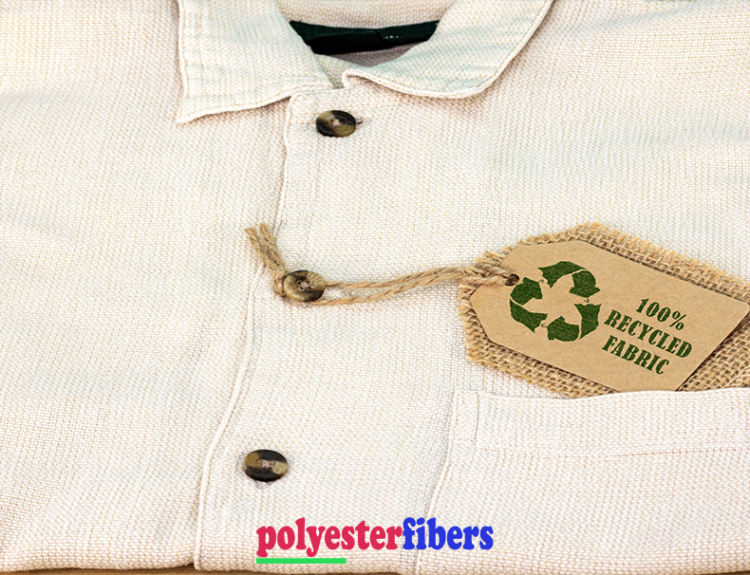
To address this, many companies are innovating by producing recycled micro fibers from PET bottles and other plastic waste. This not only reduces reliance on virgin petroleum-based raw materials but also gives new life to discarded plastics. Additionally, advanced filtration systems for washing machines and responsible consumer practices can help minimize microplastic pollution.
The Future of Micro Fiber
The demand for Micro Fibers continues to grow across industries, driven by consumer needs for performance, comfort, and sustainability. With ongoing research, we are seeing developments in biodegradable micro fibers, eco-friendly dyeing processes, and smart textiles that integrate https://vietnamrecycledfiber.com/blog/micro-fibers/micro fiber with wearable technology.
In the future, micro fiber will likely play an even more critical role in the fashion industry, automotive sector, healthcare, and beyond. Companies that focus on sustainable micro fiber production will be at the forefront of meeting both performance and environmental demands.
Conclusion
Micro Fibers is more than just a synthetic fabric—it is a material that has reshaped industries by offering unmatched softness, strength, absorbency, and versatility. From fashion to healthcare, from cleaning cloths to upholstery, its applications are nearly endless. While challenges remain regarding environmental sustainability, innovations in recycled and biodegradable micro fibers are paving the way for a more responsible future.
For businesses and consumers alike, understanding the properties and benefits of micro fiber helps in making informed decisions, ensuring that products deliver both performance and longevity. As technology evolves, micro fiber will undoubtedly remain one of the most influential materials in modern life.
About VIETNAM RECYCLED FIBER
VIETNAM RECYCLED FIBER We partner with numerous factories and manufacturers in Viet Nam and other Asian countries. We supply various and different polyester staple fiber such as hollow conjugate siliconized and non-siliconized, hollow non conjugated fiber, hollow slick fiber, black solid fiber, brown fiber, green fiber, filling fiber, polyester fiber, Recycled Polyester Staple Fibers, spinning fiber. All are GRS and OEKO TEX certified.
Our recycled Polyester Staple Fiber is of good quality and competitive price, which used in the application of filling polyester pillows, mattress, cushions, quilting, comforters, padding, wadding, stuffed toys, carpets, felts, automotive nonwoven industry and home textiles. We are well-known for our excellent customer service and we would like to have long-term business cooperation with customers from all over the world.
Please contact us for long-term cooperation!
Mr. HARRY
Website: vietnamrecycledfiber.com
Youtube: Vietnam Recycled Polyester Fiber