

In an era where environmental sustainability is more critical than ever, industries across the globe are shifting toward eco-friendly materials. One such innovative material gaining attention is Recycled Polyester Staple Fiber (Recycled PSF). Known for its versatility, durability, and sustainable benefits, Recycled Polyester Staple Fiber has become a key player in the textile, automotive, home furnishing, and nonwoven industries. But what exactly is it? How is it made? And why is it so important?
This article dives deep into the world of Recycled Polyester Staple Fiber, explaining what it is, how it’s produced, its uses, and why it matters for our planet.

Understanding Recycled Polyester Staple Fiber
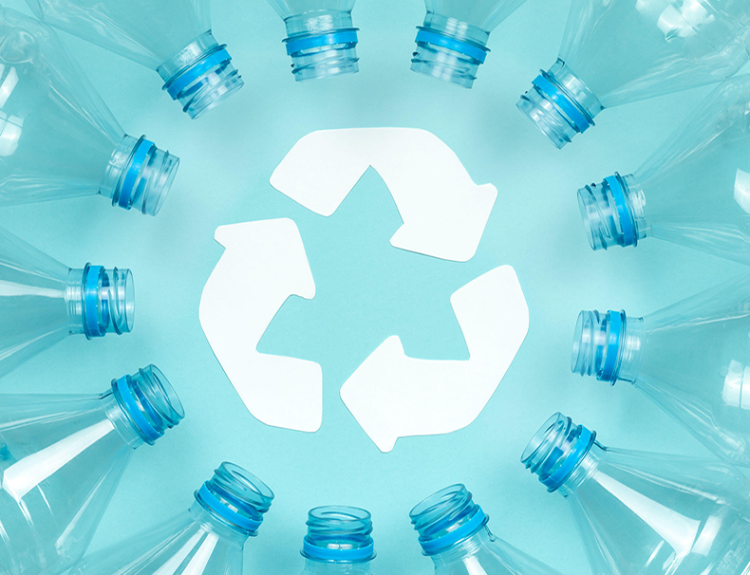
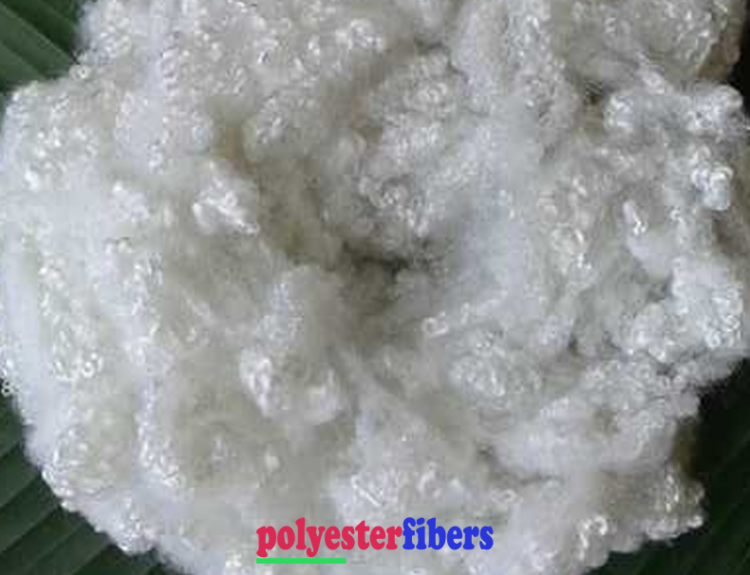
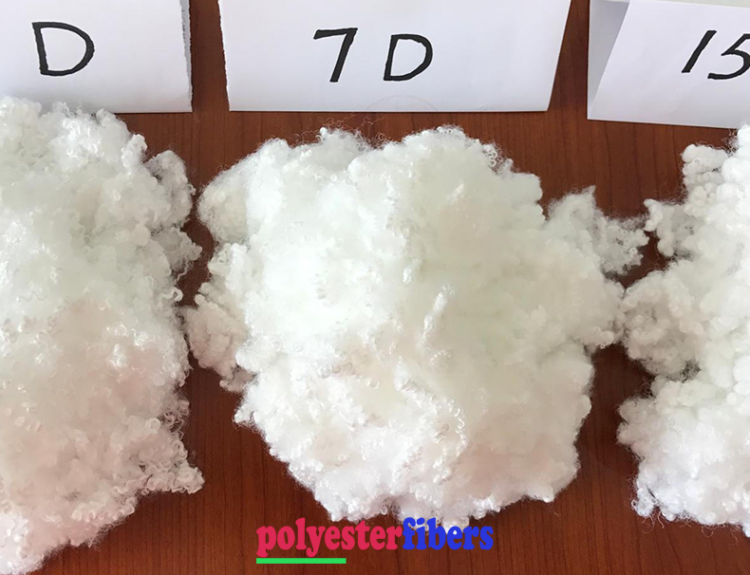
Recycled Polyester Staple Fibers is a synthetic fiber made by reprocessing post-consumer PET (Polyethylene Terephthalate) plastic waste — such as used plastic bottles — or post-industrial polyester waste. These materials are collected, cleaned, melted, and extruded into fibers that mimic virgin polyester fibers in appearance and function.
The term “staple fiber” refers to the short, discrete lengths of fiber that are typically spun into yarns or used as fill materials. Recycled PSF can be made in various deniers, cut lengths, and finishes, making it a highly adaptable material for multiple applications.
How is Recycled Polyester Staple Fiber Made?
The production of Recycled Polyester Staple Fiber involves several key steps:
1. Collection of Raw Materials
Used PET bottles, film scraps, polyester textiles, and other polyester-based waste gathered through municipal recycling programs, industrial sources, and collection centers.
2. Sorting and Cleaning
The waste sorted by type and color. Contaminants like caps, labels, and residues are removed through mechanical washing, ensuring the purity of the PET feedstock.
3. Shredding and Flaking
Cleaned PET shredded into small flakes. These flakes serve as the raw material for the fiber manufacturing process.
4. Melting and Extrusion
The PET flakes melted and passed through spinnerets — devices with tiny holes — to form continuous filaments. These filaments then cooled and cut into short lengths to produce staple fibers.
5. Finishing and Packing
The fibers crimp (to add bulk), dried, and treated with lubricants or finishes depending on the end-use application. Finally, the fibers baled and packed for distribution.
Types of Recycled Polyester Staple Fibers
Recycled PSF can vary in properties based on the intended application:
- Solid Recycled PSF: Dense and uniform, used in spinning and nonwoven applications.
- Hollow Recycled PSF: Contains a central void, making it lighter and insulating — ideal for pillows, cushions, and insulation.
- Siliconized PSF: Coated with a slick silicone finish to enhance softness and bounce, commonly used in bedding and soft toys.
- Non-siliconized PSF: Lacks the silicone finish, used in applications where texture is not critical.
Applications of Recycled Polyester Staple Fibers
Thanks to its versatility, Recycled Polyester Staple Fibers used in a wide range of industries:
1. Textiles and Apparel
Recycled PSF spun into yarns used in clothing, especially in eco-conscious fashion brands. It often blended with cotton or other fibers for comfort and strength.
2. Home Furnishings
It widely used as a filling material in pillows, cushions, quilts, and mattresses, providing excellent loft, comfort, and durability.
3. Automotive Industry
Car manufacturers use Recycled PSF for seat padding, trunk linings, insulation panels, and interior trims due to its sound-absorbing and fire-retardant properties.
4. Nonwoven Fabrics
Recycled PSF is a key material in nonwoven production for items like geotextiles, filtration media, wipes, and insulation blankets.
5. Construction and Insulation
It is used in eco-friendly insulation panels and roofing materials for soundproofing and thermal regulation.
Environmental Benefits of Recycled Polyester Staple Fibers
Using Recycled Polyester Staple Fibers contributes to sustainability in multiple ways:
1. Waste Reduction
It diverts millions of plastic bottles and tons of polyester waste from landfills and oceans each year, addressing the growing plastic pollution crisis.
2. Conservation of Resources
Producing Recycled PSF requires less energy and water than virgin polyester production. It also reduces the need for petroleum-based raw materials.
3. Lower Carbon Emissions
Recycling PET into fibers emits significantly less greenhouse gas than producing new polyester. This makes it a vital material in reducing industrial carbon footprints.
4. Supports Circular Economy
By turning waste into valuable raw material, Recycled PSF promotes a circular economy model — where materials reused instead of discarded.
Recycled vs. Virgin Polyester Staple Fibers
While both virgin and recycled polyester share similar physical properties, recycled PSF has distinct advantages:
| Feature | Virgin Polyester Staple Fiber | Recycled Polyester Staple Fiber |
|---|---|---|
| Raw Material | Petrochemical-based | Post-consumer/post-industrial waste |
| Environmental Impact | Higher carbon and energy footprint | Significantly lower environmental impact |
| Cost | Stable but higher energy input | Often more cost-effective in the long run |
| Quality | Uniform and consistent | Slightly variable, but improving with tech |
| Sustainability | Low | High |
Challenges of Recycled Polyester Staple Fiber
Despite its advantages, Recycled PSF faces some challenges:
- Quality Variation: Fluctuating quality of raw materials can impact fiber consistency.
- Limited Recycling Infrastructure: Not all regions have efficient systems for PET collection and processing.
- Consumer Perception: Some markets still perceive recycled materials as lower quality, although this is rapidly changing.
- Color and Contamination: Dark-colored or contaminated PET waste can limit the fiber’s use in certain applications.

The Future of Recycled Polyester Staple Fiber
As awareness of climate change and sustainability grows, the demand for Recycled Polyester Staple Fibers is surge. Innovations in recycling technology — including chemical recycling and closed-loop systems — are making recycled fibers more efficient, cost-effective, and high-performing.
Brands in fashion, furniture, and automotive sectors are pledging to increase their use of recycled content, and governments are introducing regulations to encourage or mandate recycled material use. All of this points toward a strong and bright future for Recycled PSF.
Conclusion
Recycled Polyester Staple Fiber is more than just a sustainable alternative — it’s a practical, efficient, and eco-conscious solution for industries looking to reduce their environmental impact. From clothing to car interiors, it helps turn everyday waste into valuable products, while conserving energy, reducing emissions, and supporting a circular economy.
By choosing products made with Recycled Polyester Staple Fibers, manufacturers and consumers alike can contribute to a cleaner planet and a more sustainable future. It’s a simple yet powerful step toward responsible consumption and production in the modern world. material for the future of textiles and beyond.
About VIETNAM RECYCLED FIBER
VIETNAM RECYCLED FIBER We partner with numerous factories and manufacturers in Viet Nam and other Asian countries. We supply various and different polyester staple fiber such as hollow conjugate siliconized and non-siliconized, hollow non conjugated fiber, hollow slick fiber, black solid fiber, brown fiber, green fiber, filling fiber, polyester fiber, Recycled Polyester Staple Fibers, spinning fiber. All are GRS and OEKO TEX certified.
Our recycled Polyester Staple Fiber is of good quality and competitive price, which used in the application of filling polyester pillows, mattress, cushions, quilting, comforters, padding, wadding, stuffed toys, carpets, felts, automotive nonwoven industry and home textiles. We are well-known for our excellent customer service and we would like to have long-term business cooperation with customers from all over the world.
Please contact us for long-term cooperation!
Mr. HARRY
Website: vietnamrecycledfiber.com
Youtube: Vietnam Recycled Polyester Fiber