

In today’s world, where environmental concerns are growing and sustainability is at the forefront of global discussions, the term “Recycled Material” has gained immense importance. But what exactly does it mean? Why is it crucial for our planet, industries, and communities? This article explores the concept of recycled material, its types, processes, benefits, and its impact on the environment and economy.

Understanding Recycled Material
Recycled material refers to substances that have been recovered or reprocessed from waste or used products and transformed into new materials or items. Instead of ending up in landfills or polluting oceans and landscapes, these materials are collected, cleaned, and manufactured into usable products again. This process not only reduces waste but also conserves natural resources and minimizes environmental pollution.
Recycling can occur in various forms: mechanical recycling, chemical recycling, and biological processes, depending on the type of material and the desired end-product.
Types of Recycled Materials
Recycled materials come in many forms. Some of the most common types include:
1. Paper
Recycled paper is made by reprocessing used paper products. Newspapers, office documents, magazines, and cardboard are collected and converted into pulp, which is then used to create new paper items.
2. Plastic
Plastic is one of the most significant contributors to pollution. However, many types of plastic can be recycled into new containers, fibers, or packaging materials. Polyethylene Terephthalate (PET) bottles, for instance, are often recycled into clothing fibers or packaging film.
3. Glass
Glass can be recycled endlessly without losing quality. Used glass is crushed into cullet and melted down to create new glass containers and bottles.
4. Metals
Aluminum and steel are highly recyclable materials. Recycled aluminum, such as from beverage cans, requires 95% less energy than producing new aluminum from bauxite ore.
5. Textiles
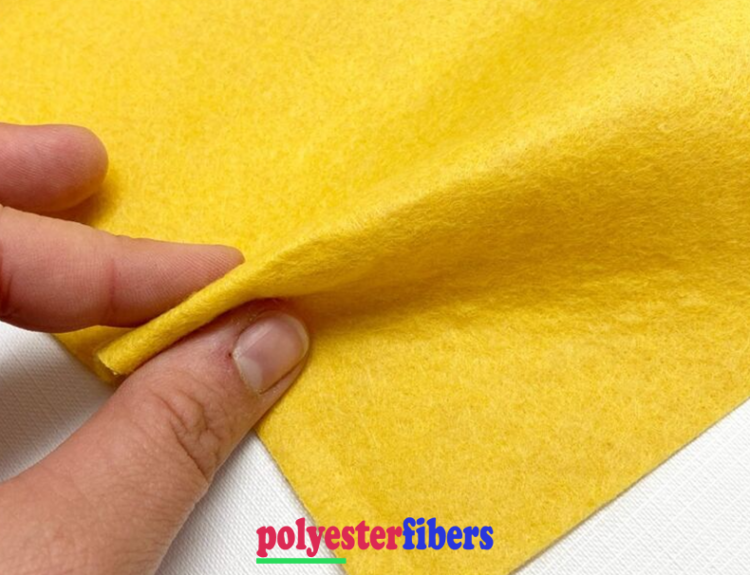
Old clothes and textile scraps can recycled into new fibers, insulation materials, or industrial rags. Recycled polyester, for example commonly made from used plastic bottles.
6. Construction Materials
Materials like concrete, bricks, and asphalt increasingly being recycled for use in new construction projects, roadways, and landscaping.
The Recycling Process
The journey of recycled material typically involves the following steps:
1. Collection
Used materials collected from households, businesses, and industries through recycling bins, drop-off centers, or buy-back programs.
2. Sorting
Materials sorted based on type, quality, and recyclability. Automated machines and manual labor help in separating items like plastics by resin type or metals by magnetism.
3. Cleaning
Collected materials thoroughly cleaned to remove contaminants such as food residue, labels, or adhesives.
4. Processing
Clean materials processed into raw forms. For instance, plastics shredded melted, glass is crushed, and paper is pulped.
5. Manufacturing
Recycled raw materials used to manufacture new products — from clothing and office paper to construction panels and packaging.
Benefits of Using Recycled Material
1. Environmental Conservation
Recycling helps reduce the need for extracting, refining, and processing raw materials, all of which pollute air and water. It also lowers greenhouse gas emissions and helps mitigate climate change.
2. Waste Reduction
Using recycled materials diverts waste from landfills and oceans. This helps reduce the strain on overflowing waste disposal systems and prevents environmental degradation.
3. Energy Savings
Producing goods from recycled materials often requires significantly less energy than using virgin materials. For example, recycling aluminum saves up to 95% of the energy needed to produce it from raw bauxite.
4. Resource Preservation
Natural resources such as oil, water, trees, and minerals are finite. Recycling extends the life of these resources and ensures their availability for future generations.
5. Economic Opportunities
The recycling industry creates millions of jobs globally. From collection to processing and product manufacturing, each step supports employment and economic activity.

Challenges in Recycling Materials
While the benefits are clear, recycling is not without challenges:
- Contamination: Improper sorting or mixing of non-recyclable materials can spoil batches of recyclable material.
- Cost: Some recycling processes can expensive compared to using new materials, especially when oil prices are low.
- Complex Materials: Items made from multiple materials (e.g., plastic-aluminum pouches) are difficult to recycle.
- Public Awareness: Many communities lack education or infrastructure for effective recycling programs.
The Future of Recycled Material
With increasing awareness and advances in recycling technologies, the use of recycled materials is expanding rapidly. Governments and industries invest in circular economy models, where products designed to reused and recycled. Innovations such as chemical recycling can break down plastics into their original monomers, making them reusable in higher-quality applications.
Recycled materials now use for:
- Eco-friendly fashion (recycled polyester, cotton)
- Sustainable packaging (paper, bioplastics)
- Green construction (recycled bricks, concrete)
- Automotive components (recycled metals, polymers)
Consumer demand for sustainable products is also pushing companies to incorporate more recycled content in their offerings and reduce their carbon footprint.
Conclusion
Recycled material plays a crucial role in building a sustainable and responsible future. By turning waste into valuable resources, we can reduce pollution, conserve resources, and create economic value. Whether you are an individual, business, or policymaker, understanding and supporting the recycling process is a powerful step toward environmental sustainability.
Choosing products made from recycled materials isn’t just a trend — it’s a necessity. As we face the realities of climate change and resource depletion, recycled material offers hope, innovation, and a practical solution to our most pressing environmental challenges.
About VIETNAM RECYCLED FIBER
We partner with numerous factories and manufacturers in Viet Nam and other Asian countries. We supply various and different polyester staple fiber such as hollow conjugate siliconized and non-siliconized, hollow non conjugated fiber, hollow slick fiber, black solid fiber, brown fiber, green fiber, filling fiber, polyester fiber, Recycled Material, spinning fiber. All are GRS and OEKO TEX certified.
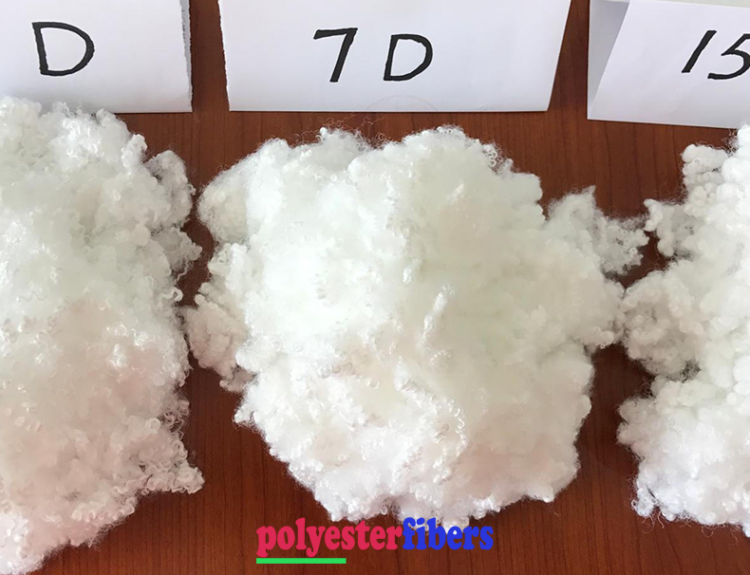
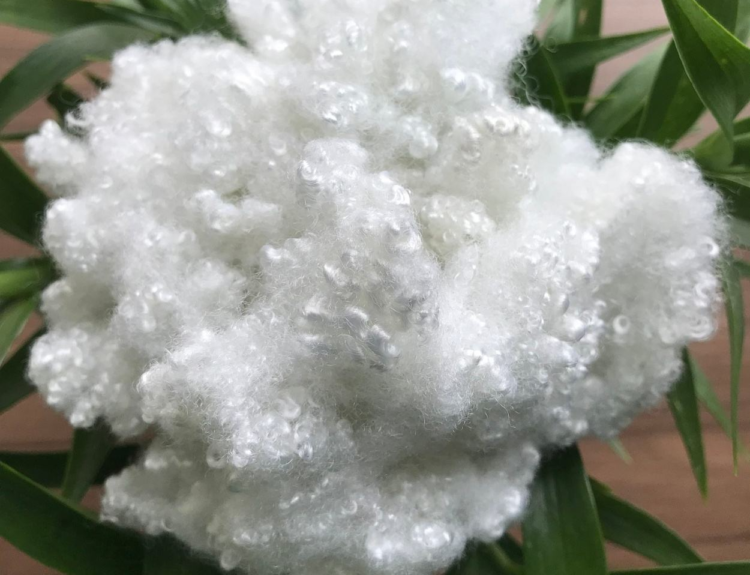
Our recycled Polyester Staple Fiber is of good quality and competitive price, which used in the application of filling polyester pillows, mattress, cushions, quilting, comforters, padding, wadding, stuffed toys, carpets, felts, automotive nonwoven industry and home textiles. We are well-known for our excellent customer service and we would like to have long-term business cooperation with customers from all over the world.
Please contact us for long-term cooperation!
Mr. HARRY
Website: vietnamrecycledfiber.com
Youtube: Vietnam Recycled Polyester Fiber